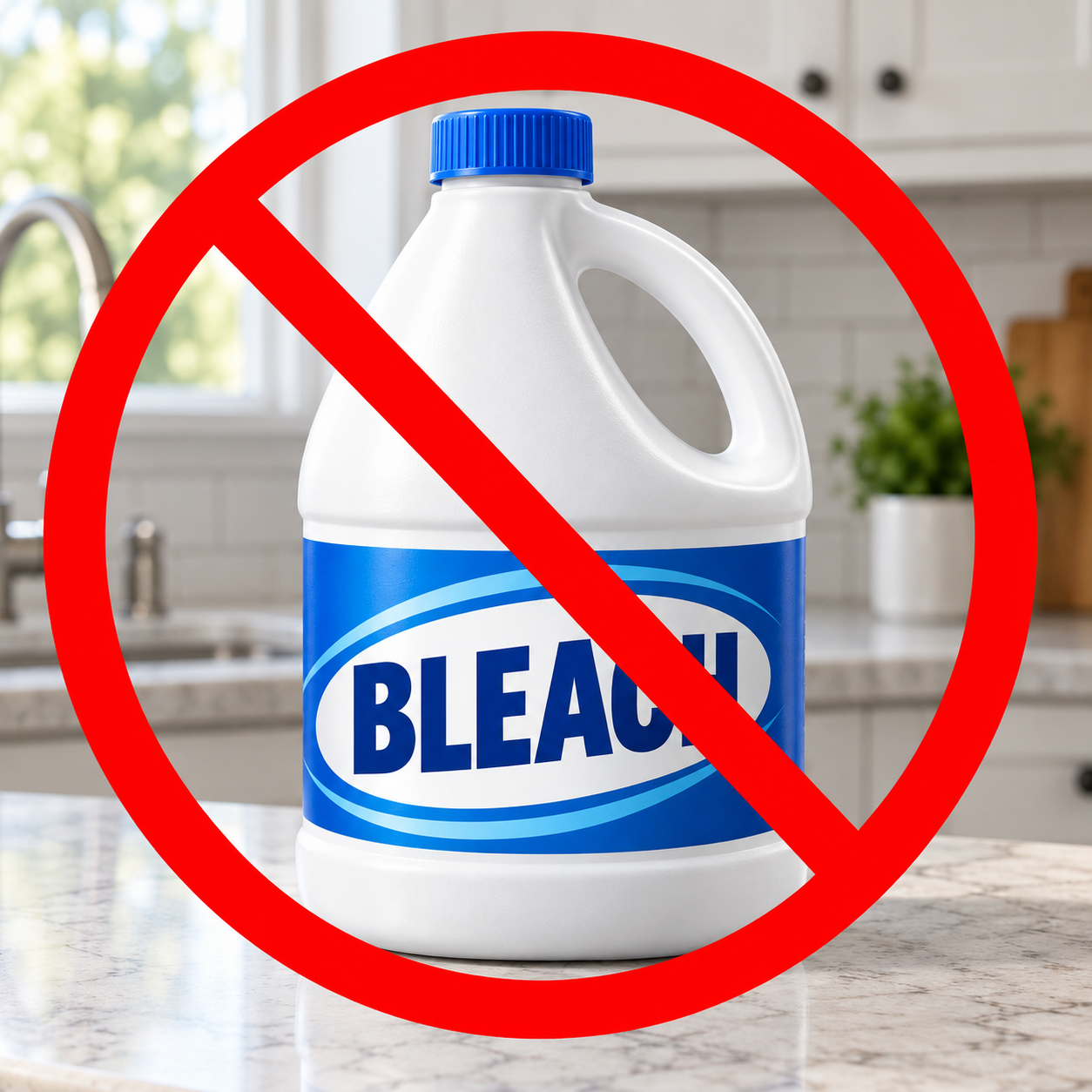
Bleach Alternatives: Safe, Effective, and Eco-Friendly Cleaning for Your Home (Without the Drama)

Bleach has been the diva of cleaning products for decades — powerful, dramatic, and a little too intense for everyday life. Sure, it gets the job done, but it also leaves behind eye-watering fumes, faded fabrics, and a lingering sense that you just scrubbed your kitchen with something that could strip paint off a car.

If you’re ready to break up with bleach (no hard feelings, bleach), there are plenty of gentler, eco-friendly alternatives that still keep your home sparkling — minus the chemical melodrama.

Why Choose a Bleach Alternative?

Bleach can be like that friend who’s great at parties but terrible at subtlety — loud, abrasive, and occasionally destructive. It can irritate skin, lungs, and eyes, and it’s not exactly pet- or kid-friendly. Natural alternatives are like the chill friend who shows up with snacks, cleans up quietly, and leaves everything smelling fresh.

Top Bleach Alternatives for Home Cleaning

  1. Hydrogen Peroxide

Think of hydrogen peroxide as bleach’s polite cousin — still powerful, but without the attitude. It disinfects, whitens, and fights mold, all while keeping your nose happy. Spray it, let it sit, and wipe away germs like you’re in a cleaning montage.

  1. White Vinegar

Vinegar is the multitasking hero of the pantry. It cuts grease, dissolves soap scum, and neutralizes odors. Sure, it smells like salad dressing at first, but that fades — and your surfaces will thank you.

  1. Baking Soda

Baking soda is the gentle scrubber that never scratches. It’s like giving your sink a spa day. Sprinkle, scrub, rinse, and watch stains vanish without drama.

  1. Lemon Juice

Fresh, zesty, and naturally antibacterial, lemon juice makes cleaning feel like summer. Bonus: your kitchen will smell like you just baked a pie (even if you didn’t).

  1. Castile Soap

Plant-based, biodegradable, and endlessly versatile, castile soap is the yoga instructor of cleaning products — calm, flexible, and surprisingly strong when needed.

Tips for Using Bleach Alternatives Effectively

  • Test on small areas first — no one wants surprise tie-dye countertops.
  • Store homemade solutions in labeled bottles so you don’t accidentally spray your plants with bathroom cleaner.
  • Use vinegar and hydrogen peroxide separately — mixing them is like inviting two exes to the same dinner party.

Switching to bleach alternatives means fewer fumes, fewer hazards, and more peace of mind. Your home will be clean, your lungs will be happy, and you won’t feel like you just survived a chemical warfare simulation.

Unlocking the Magic of Bar Keepers Friend: Unique Cleaning Uses You Need to Try

Bar Keepers Friend (BKF) has been a household hero since 1882, and for good reason. This versatile powdered cleanser, powered primarily by oxalic acid and a mild abrasive like feldspar, tackles rust, mineral deposits, stains, and grime that ordinary cleaners can’t touch. While it’s famous for stainless steel, its unique applications extend far beyond the kitchen sink. Here are some standout ways to put BKF to work around your home.

Kitchen Revival

BKF shines brightest in the kitchen. Burnt-on residue on pots, pans, and baking sheets? Sprinkle the powder on a damp surface, let it sit briefly, and watch the grime lift with minimal scrubbing. It restores stainless steel, copper, and even aluminum cookware to a brilliant shine. For glass stovetops, it removes baked-on spills and splatters without scratching the surface.

One underrated trick: brightening dingy porcelain dishes and mugs. Knife scratches and coffee/tea stains vanish when you scrub gently with a BKF paste. The same goes for rusty knives and flatware—BKF removes corrosion and restores their gleam. It even tackles rust deposits inside dishwashers.

Bathroom Transformations

Hard water stains and soap scum meet their match in BKF. Create a slurry and apply it to glass shower doors, tubs, sinks, and fixtures. Let it dwell for a few minutes before wiping away mineral buildup and rust. Toilet rings disappear too. It’s particularly effective on porcelain and ceramic surfaces, leaving bathrooms sparkling without harsh fumes.

Beyond the Obvious: Creative Hacks

BKF’s unique powers extend to surprising spots:

  • Remove sticky residues and labels: The soft cleanser version dissolves adhesive goo from jars, appliances, or new purchases effortlessly.
  • Polish metals and antiques: Brass, copper, chrome, and even musical instruments (like trombones or cymbals) regain their luster. Outdoor tools, garden equipment, and rusty hardware also benefit.
  • Automotive and outdoor care: Buff minor scratches on cars, clean foggy headlights, polish hubcaps, or revive fireplace glass doors covered in soot. Some enthusiasts have even used it on DeLorean panels or old coins.
  • Walls and more: Gently erase crayon, pencil, or marker marks from painted walls. It can also refresh white shoes or tackle scuffs on certain surfaces.

Pro Tips for Best Results: Always wet the surface first, make a paste for tough jobs, let it sit 1–10 minutes (but don’t let it dry), and rinse thoroughly. Use non-scratch sponges or microfiber cloths. Test in a small area first, and avoid porous surfaces like cast iron (before re-seasoning), granite, marble, or wood. Wear gloves, as oxalic acid can irritate skin.

Bar Keepers Friend proves that one affordable can can replace multiple specialty cleaners. Its ability to chemically break down stains while gently abrading makes it indispensable for deep cleans and restorations. Next time you’re facing stubborn grime, reach for BKF—you’ll be amazed at the “before and after” transformations.